Security and fire safety are usually sold as technology. In practice, most incidents are shaped by ordinary habits — a light left on, a door checked, an alarm tested, a plan everyone understands. None of it requires a complicated system.
The most secure homes we visit are rarely the ones with the most equipment. They are the ones where the basics are consistent: entry points that are easy to see, alarms that are maintained, and a family that has talked about what to do if something goes wrong. Technology helps, but it amplifies habits rather than replacing them.
Light is the first layer of security
An intruder prefers a dark approach. Motion-activated lighting at the front and side of the house, warm low-level light by the door and a clear line of sight from the street do more than most people expect. Timers that vary evening lighting so the house does not look automated from outside are a small, inexpensive improvement.
Lighting also reduces the everyday risks that cause far more injuries than intruders: the trip down an unlit path, the step you misjudge when carrying shopping, the dark corner of a garage.
Safety at home is mostly a design problem, and the answer is usually to make the safe path the easy path.
Make entry points visible
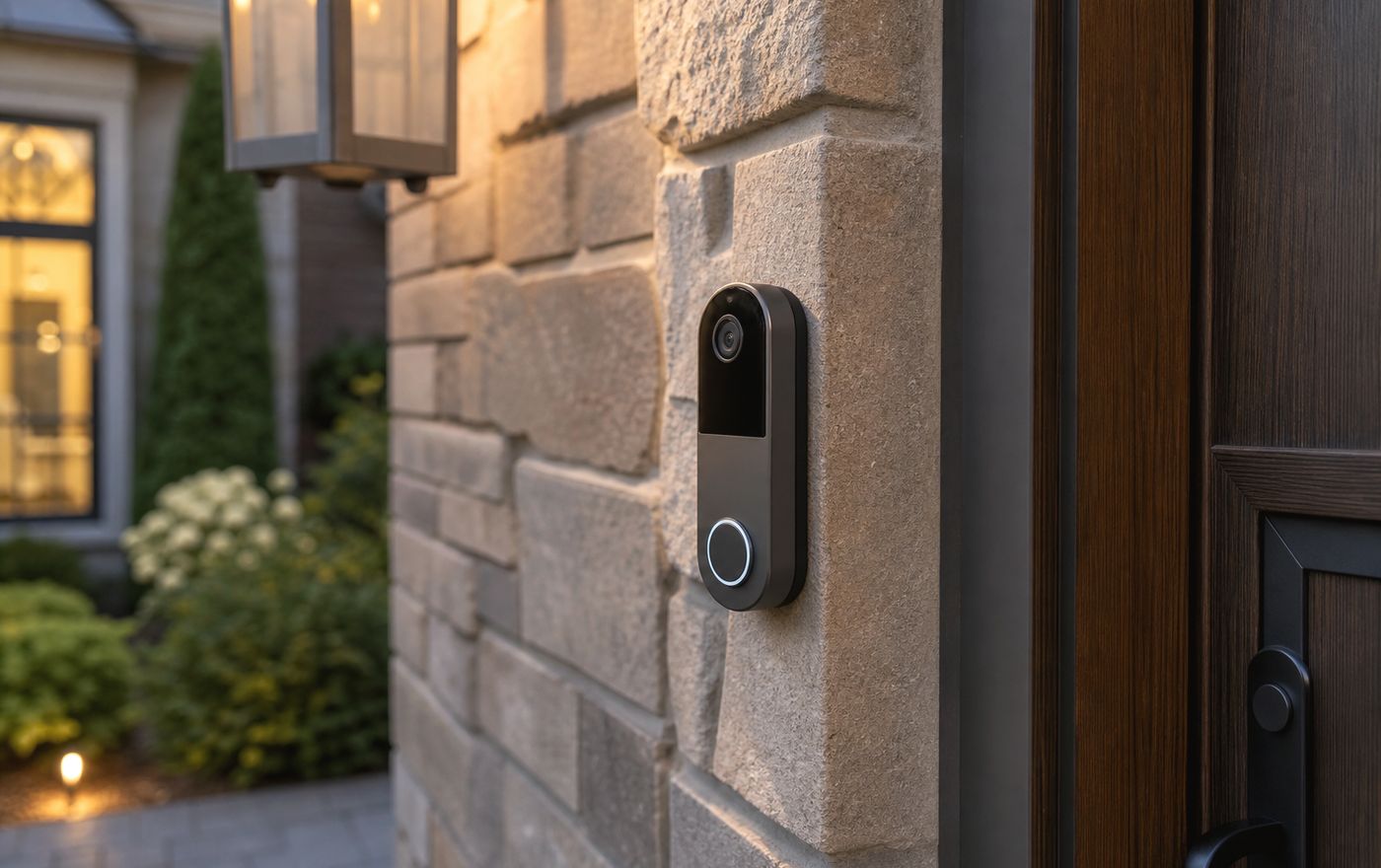
Trim shrubs that hide the door, keep the porch and path tidy, and make sure the door can be seen from inside before it is opened. Where you can, replace solid panels with glazed elements that let daylight in without giving away privacy. A camera at the door is genuinely useful when someone is home alone — but it works best when it is placed to see faces, not just the street.
Doors, windows and the small hardware
Good locks are the beginning, not the whole story. Check that external doors fit their frames properly, that hinges are solid and that any glazing beside a lock is reinforced. Sliding doors benefit from a secondary locking bar. Upstairs windows may not need the same treatment as ground-floor ones, but all of them should open easily when someone needs to get out.
Alarms that are actually maintained
Smoke and heat alarms should be on every level of the home and inside every sleeping area, with a carbon monoxide alarm wherever there is a fuel-burning appliance. The equipment is the easy part; the habit of testing is what keeps it useful. Pick a recurring moment — the first day of each season works well — and press the test button on every unit. Replace batteries on a fixed schedule and replace the alarms themselves when the manufacturer advises.
Untested alarms fail quietly. That is the whole argument for a routine.
Escape planning in plain language
Everyone in the household should be able to answer a simple question: if the alarm sounded at night, where would you go? Two exits from the main rooms, a meeting point outside, a torch and keys in a known place, and a rule that nobody re-enters for possessions. Practise it while the house is calm. Keep doorways, hallways and window routes clear, particularly in rented homes where fire doors are fitted for a reason.
Kitchen and appliance routines
Most home fires start in the kitchen. A fire blanket stored where it can be reached without leaning over a hob, a suitable extinguisher checked for condition, and a strict rule about not leaving cooking unattended all matter more than a wall-mounted gadget. Keep tea towels and paper away from heat sources, clean the extractor filter regularly and do not store items on top of the hob.
Elsewhere, watch the quiet hazards: dryers with full lint filters, heaters positioned near curtains, phone chargers on soft furnishings, and old appliance leads that have been crushed behind furniture.
Cameras, doorbells and digital calm
Smart devices are only as reliable as their settings. Change default passwords, turn on automatic updates and review who has access to the camera feed. Position cameras to cover entrances and shared spaces rather than neighbours' windows and gardens; considerate placement avoids awkward conversations and is usually more effective.
Be equally careful about what you share publicly. Posting holiday plans in real time is a well-known risk, and so is discussing expensive new purchases alongside your location.
Seasonal checks worth keeping
- Autumn: clear gutters, check roof edges, test outdoor lighting before darker evenings.
- Winter: inspect heating appliances, keep flues clear, and watch for condensation that hints at ventilation problems.
- Spring: walk the boundary, trim sightlines, and check fences and gates after winter weather.
- Summer: review garden chemicals and barbecues, and keep paths clear for visitors.
When to bring a professional in
Some improvements are pure habit. Others are genuinely construction work: upgrading a consumer unit and earthing, installing a wired alarm system, fitting a fire-rated door, or correcting a roof or chimney that allows water in. Knowing the difference protects you from both unnecessary spending and false reassurance.
If your safety review turns up something structural, we are happy to advise on the build side — and we will say plainly if a cheaper, simpler fix will do.
Planning something similar?
Send us a few details and we will suggest the most sensible next step — including whether now is the right time to do the work.