The most expensive solar installation is the one you have to remove. If the roof beneath the panels is nearing the end of its life, the sensible order of work is roof first, then energy — and the planning should happen in a single conversation.
Solar and roofing are treated as separate trades far too often. One team fits a roof, another returns later to drill into it, and the homeowner inherits the argument if anything leaks. Approaching both together costs no more and removes most of the risk.
Roof first, panels second
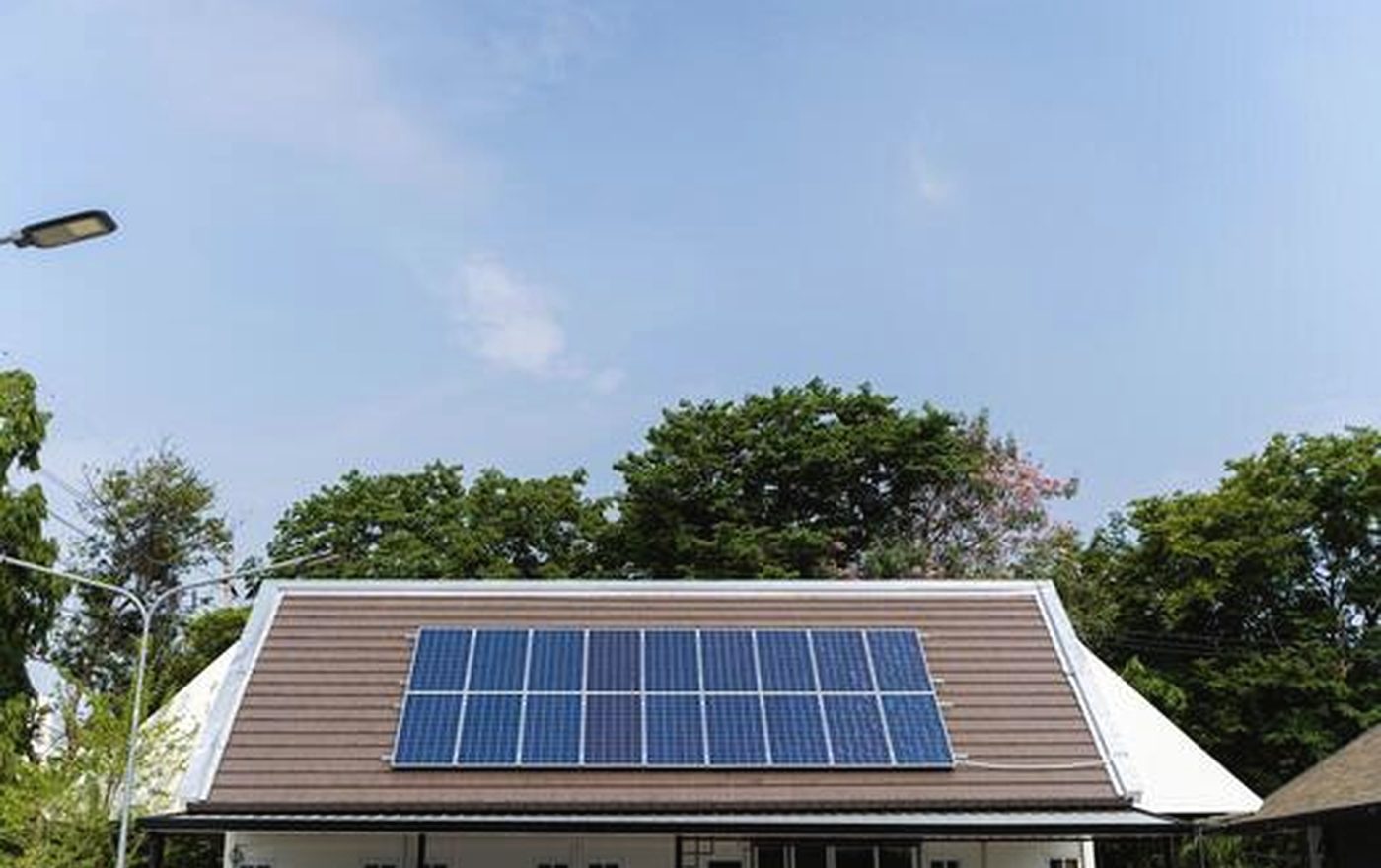
Panels are designed to stay in place for a long time. A roof covering that is nearing replacement should be replaced before mounting hardware goes down, even if it still looks serviceable from the ground. Lifting and refitting an array to renew shingles underneath is fiddly, expensive work that could have been avoided with a slightly different order of events.
If the roof is genuinely new, then a solar upgrade becomes a straightforward addition on a known surface, with fixings and flashing planned into the installation rather than improvised on the day.
The right question is not "how many panels fit" but "what does this roof need to do for the next generation of the house".
Orientation, pitch and shade
Output depends on how much sun reaches the panels, and when. A roof that faces the sun through the middle of the day is straightforward. Roofs facing other directions can still work, but the array and inverter need to be planned around the reality rather than the ideal.
Shade is the quieter issue. A chimney, a dormer, a mature tree across the street — all cast shadows that move through the year. An assessment that studies shade hour by hour across seasons gives a far more honest picture than a quick glance on a bright afternoon.
Structure and access
Panels add weight, and more importantly they add wind load. A structurally sound roof usually carries the array comfortably, but it is worth confirming rather than assuming, especially on older homes and on roofs that have been altered over the years. Access matters too: leaving a safe route for maintenance protects the people who will service the system later.
The mountings decide whether you stay dry
This is where solar meets roofing most directly. Every mounting point is a potential leak, and every leak is a roofing problem rather than an electrical one. Standoffs should be flashed properly into the roof covering, with the right sealant and the right spacing. Panels should sit clear of the surface so water and debris can pass beneath, and rails should be laid out so that the array can be isolated, removed or extended without dismantling the roof.
Ask how the installer intends to protect the waterproof layer at each penetration. A confident, detailed answer is a good sign.
Where the equipment lives
Inverters, meters and isolators need a home that is accessible, ventilated and out of the weather — often a garage or a utility wall rather than a loft. The cable route from roof to inverter should be planned as a physical path through the house, not just a line on a diagram. Careful installers keep runs short, protect cables in conduit, and label everything clearly for the next person.
Planning and paperwork
Permission requirements vary by location and by the age of the building. Historic districts and homes within conservation areas often have additional considerations about visibility from the street. Utility connection applications, metering changes and any neighbourhood approvals all take time, and all of them sit on the critical path. Start the paperwork early; it is rarely the technical work that delays a project.
Roof material and the long view
The covering you choose affects how easy the array is to install and to live with. Standing seam metal roofs allow clamps that avoid drilling altogether, which is a genuine advantage. Tiled roofs need tile-hooks and careful reinstatement. Asphalt shingles are workable with proper flashing but less forgiving of poor detailing. Whatever the material, plan for maintenance access and leave a margin of unoccupied roof for future service.
Monitor, maintain, and know when to stop
A monitoring app is useful for one reason: it turns a silent system into something you can see. A sudden drop in output is usually dirt, shade growth or a fault, and it is cheaper to catch it early. Panels need occasional cleaning in dusty seasons; gutters above an array need clearing more attentively than before. Annual checks of the mounting and the roof surface below will pay for themselves.
Solar is not automatically the right answer for every home. Shaded roofs, structurally marginal buildings or short-term ownership can all make the sums less attractive than they first appear. A good adviser will tell you when the answer is no — and a roof upgrade on its own may be the better project.
We plan roofing and solar upgrades as one piece of work, so the fixings, the flashing and the finish are settled before anything is ordered. If you are considering either, let's talk it through.
Planning something similar?
Send us a few details and we will suggest the most sensible next step — including whether now is the right time to do the work.